Make every crew’s closeout look like it came from one company.

Shared fields and one review step close the gap between the careful report, the rushed one, and the one stuck on a phone.
  • 3 reports or 3 days free
  • No card
  • No contract
Post-Cleaning Report May 3, 2026
Areas ServicedItem · Status
  • HoodBare metal
  • PlenumBare metal
  • FiltersBare metal
  • DuctworkBare metal
  • FanBare metal
  • Fan HousingBare metal
  • Roof Grease ContainmentPartial
  • DampersNot accessed
Areas Serviced · 7 / 10 14 Pier 31, San Francisco, CA
Illustrative sample

Which workflow fits?

Multi-crew standardization gives technicians one evidence checklist and gives the office one review pattern. The goal is consistent completeness, not identical boilerplate for jobs that have different conditions.

Leave the parking lot with the report already sent.

Pull the tagged photos, review the draft, send the PDF. The paperwork is done before the next job, not after dinner.
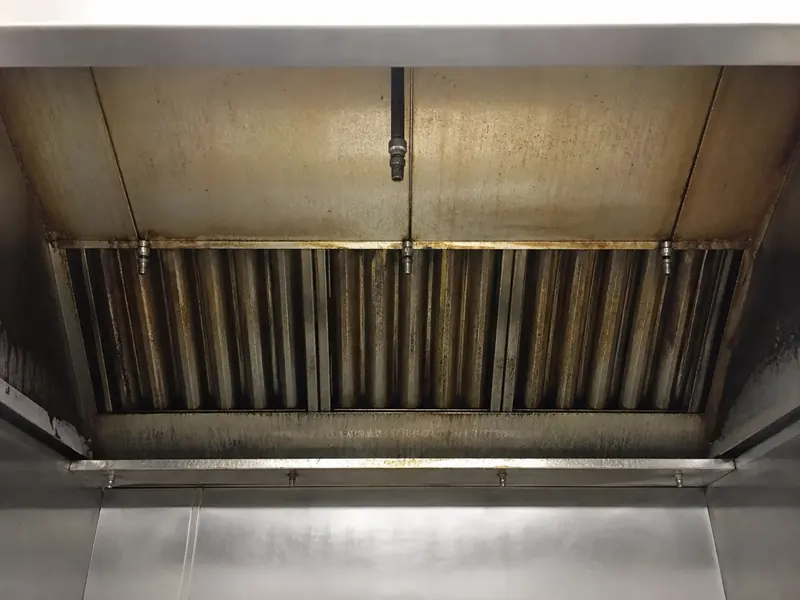
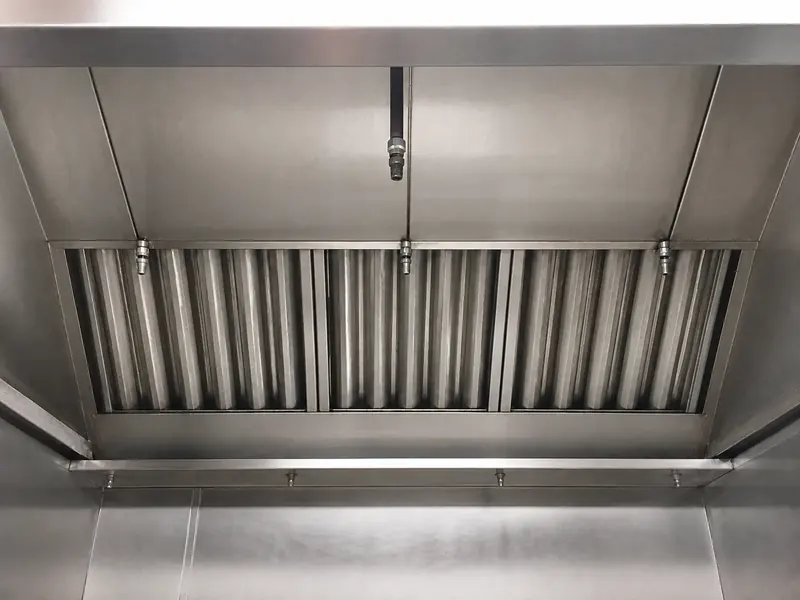
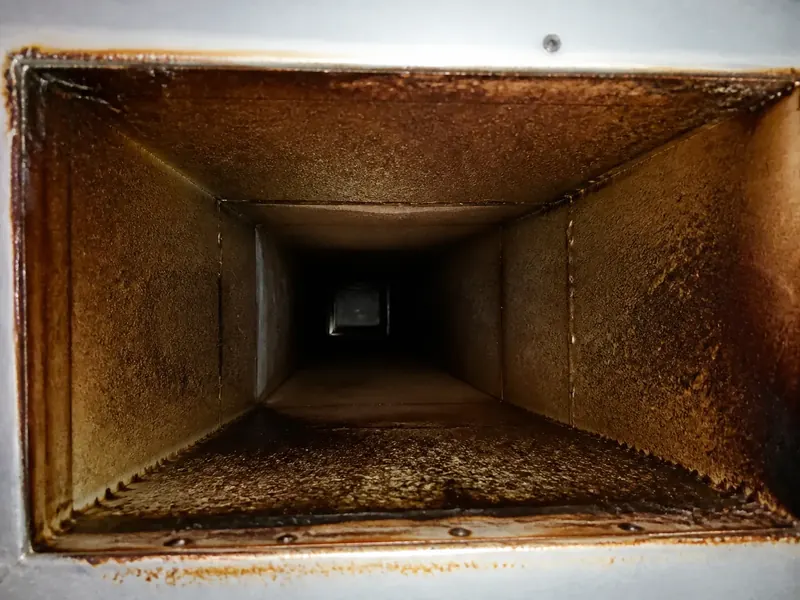
Illustrative hood interior before cleaningIllustrative · beforeReport
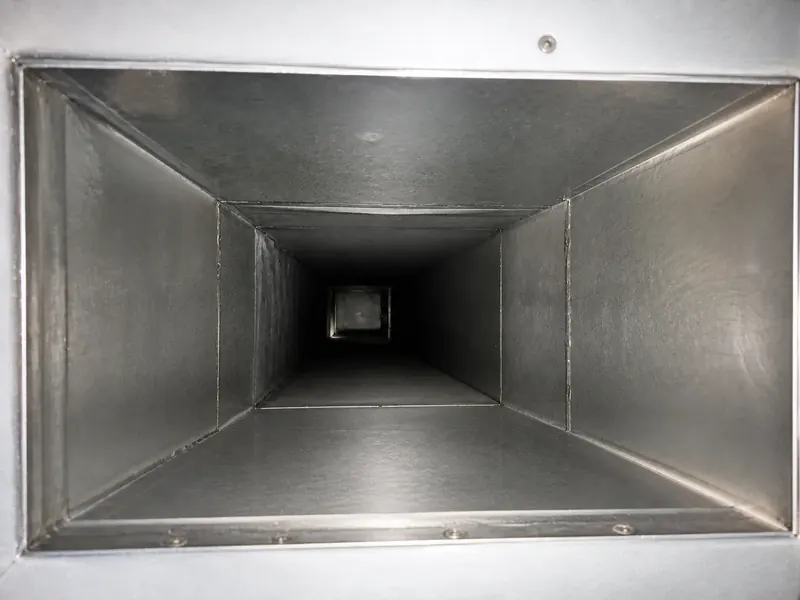
Illustrative hood interior after cleaningIllustrative · afterBare metal
HoodCleaningReportMay 3, 2026
Service ReportLighthouse Restaurant
Areas Serviced Photo record attached Findings with NFPA 96 references
Example CompanyCam import4 illustrative photos
Before illustrative hood photoBefore
ExampleIllustrative
Report
After illustrative hood photoAfter
ExampleIllustrative
Report
Before illustrative duct photoBefore
ExampleIllustrative
Report
After illustrative duct photoAfter
ExampleIllustrative
Report
JRIllustrative photo workflow

Standardize the required evidence

Define the minimum record before the job starts, then allow factual job-specific notes where the conditions differ.

  • Required system, before, after, fan, and access photos
  • Shared caption and deficiency formats
  • Service identity, technician, Areas Serviced, and recommendations
  • A visible exception path for inaccessible or out-of-scope work

Add a repeatable office review

A short release check catches omissions before the customer receives the report and before the crew context is lost.

  • Confirm customer, location, date, and report type
  • Check component coverage and photo labels
  • Review claims, limitations, and deficiency wording
  • Publish the branded PDF and retained customer link

Use a shared reporting workflow when growth has made report quality depend too heavily on which technician handled the job.

Stuck, or deciding? Pick one.