Which workflow fits?
The deficiency feature helps a contractor document an observed condition without implying an engineering conclusion or completed repair. It keeps the note in the report and customer history instead of a separate text thread.
Rooftop grease containment is saturated and no longer holding runoff at the exhaust fan base.
The deficiency feature helps a contractor document an observed condition without implying an engineering conclusion or completed repair. It keeps the note in the report and customer history instead of a separate text thread.
A deficiency is a location, a visible condition, a severity, the section it falls under, and the action you recommend. The photo record shows the reviewer what you saw; the Compliance Report says what it means.
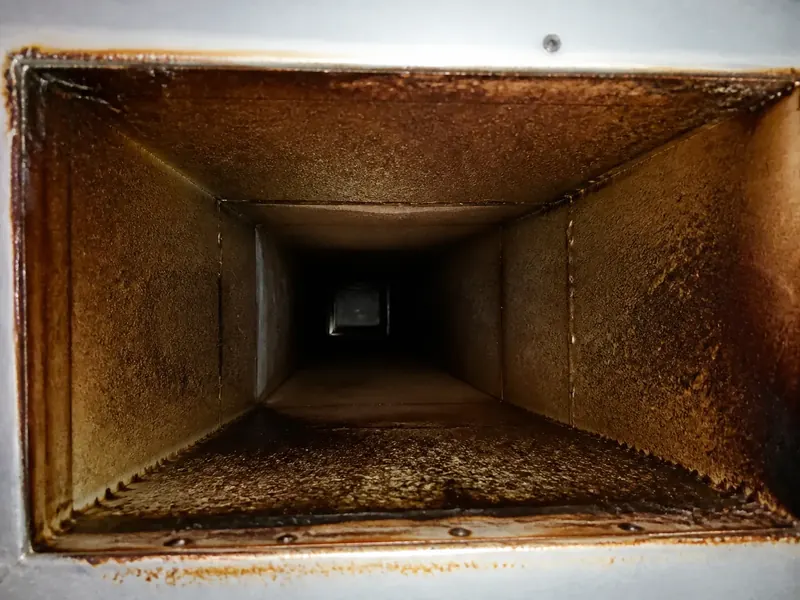
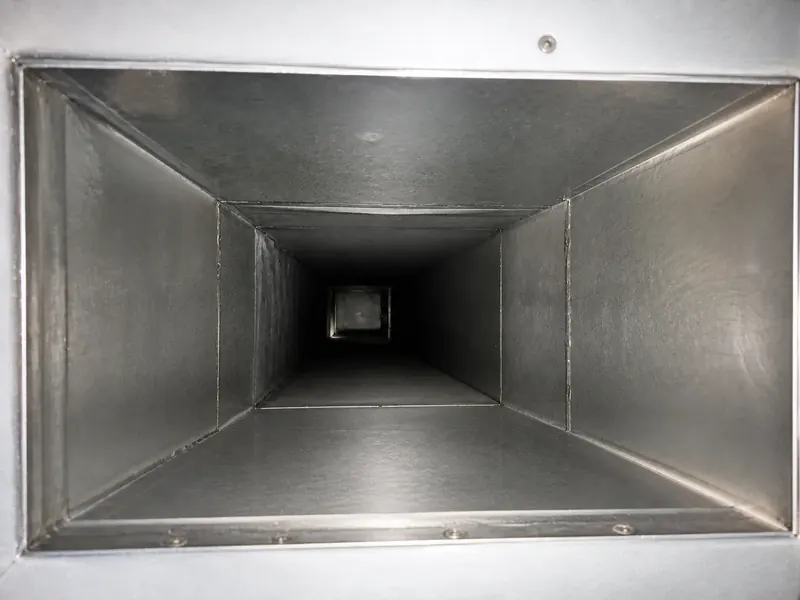
Rooftop grease containment is saturated and no longer holding runoff at the exhaust fan base.
Start with the location and observable condition. Then state the effect on scope, the recommended next step, and who needs to review it.
A deficiency should remain discoverable after the PDF email disappears from the inbox.